Discovering the Unheard Music of a Film
Reflections on listening, authorship and the sound of Ööäär.
“I treat every film as if it’s already playing unheard music. My job is to listen for it and express it through sound.”
Over the years, this idea has shaped the way I work with film sound – most recently in our new poetic film “Ööäär”, directed by Vladimir Loginov.
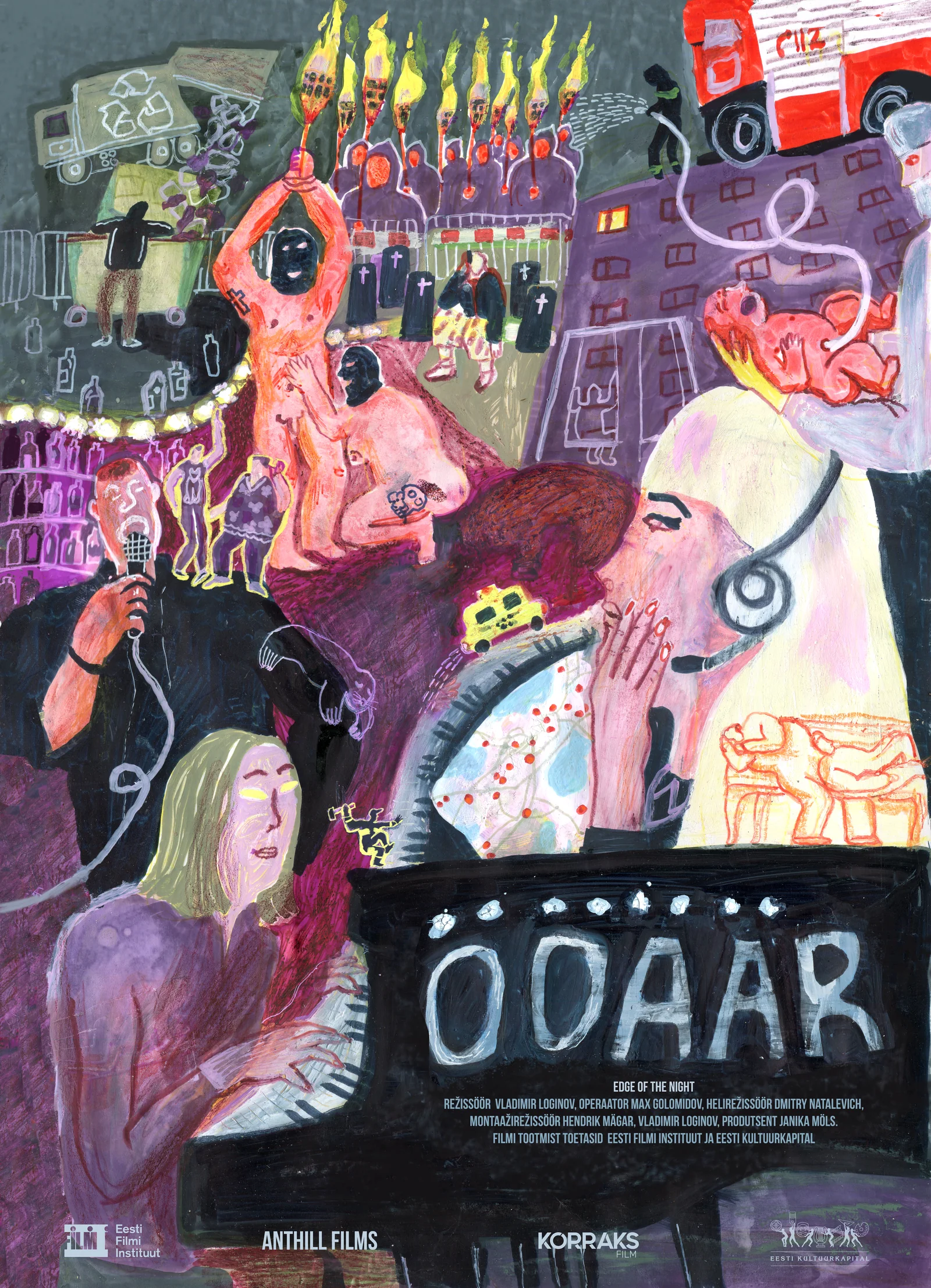
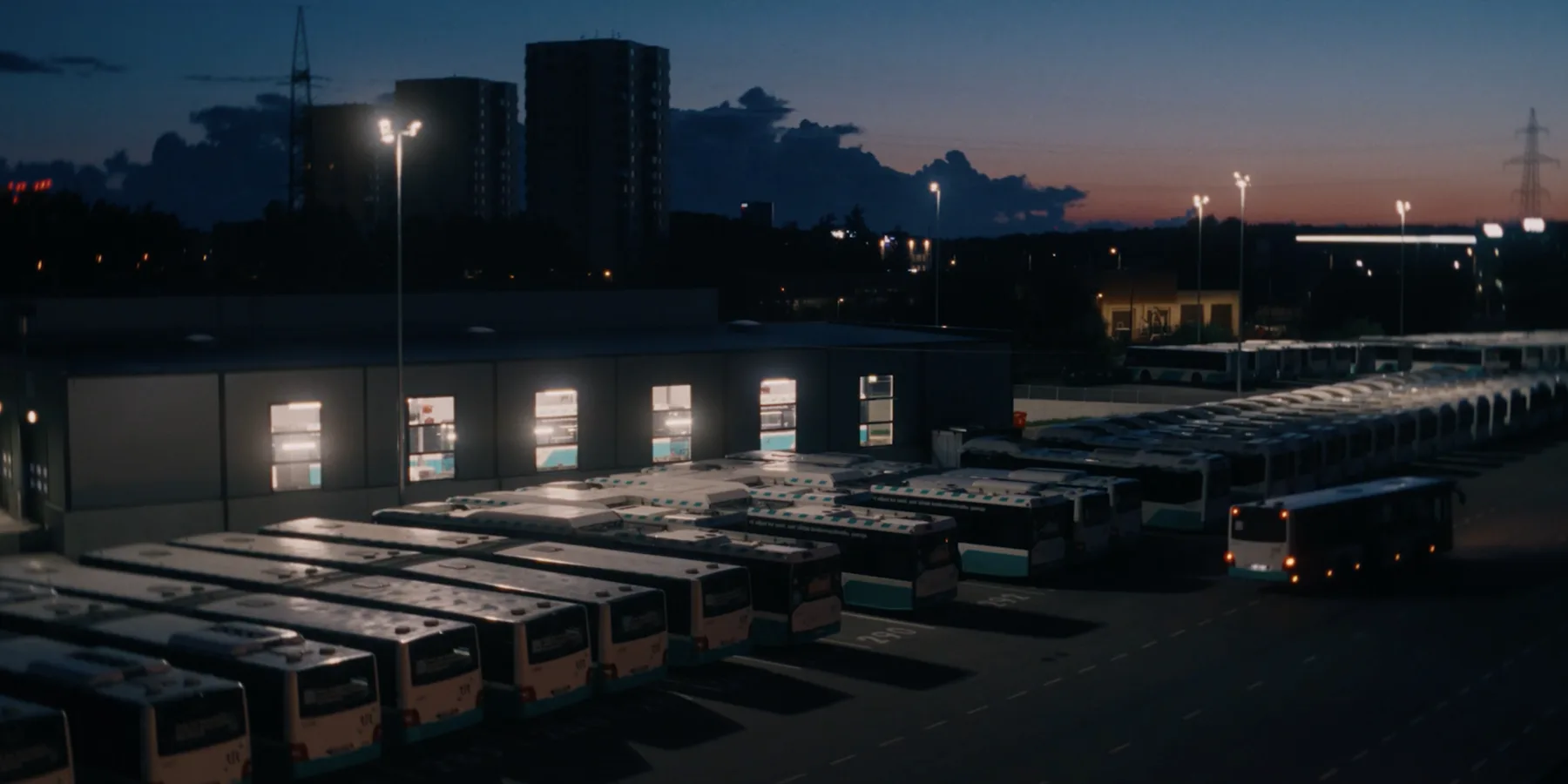
Ööäär (Edge of the Night) is a documentary by Vladimir Loginov about Tallinn after dark. Rather than following a single protagonist, the film moves between people and places whose lives continue while most of the city sleeps.
In this essay, I want to describe how I see the role and place of sound in film: not as a technical layer, but as an authorial practice that stands on equal ground with image, editing and storytelling.
01
On Film as Music
First, it’s important to explain why I compare film to music.
For me, the separation between “film” and “music” is mostly formal. We’re used to calling music the organized flow of notes, harmonies and rhythms played by instruments. We call “film” the organized flow of images and sounds. But in essence, they are very similar: both are time-based arts in which we organize components into a harmony that listeners and viewers can feel. In music, those components are pitch, rhythm and timbre. In film, they are the frame, scale, depth, color, light, dialogue, camera movement, narrative, editing and sound.
When I receive a film for post-production, I usually get almost silent material. The first thing I try to do is watch the film as if it’s a dancer moving to a piece of music we cannot yet hear. Imagine a person dancing with headphones on. By looking at the “dance”, I try to sense what kind of music the dancer is dancing to. What is the underlying composition of emotions, tension and release, structure and energy – everything that music normally communicates beyond its notes? My sound for the film is essentially my interpretation of that inaudible music.
That’s also why our films often feel “musical”, even though they use almost no composed score.
02
On Principles
My approach to film sound has been evolving for over 14 years, and it has fully taken shape through my ongoing collaboration with director Vladimir Loginov – we’re currently working on our sixth project together. With him, we create immersive films where the goal is not simply to tell a story, but to evoke atmosphere, presence and emotional states. Here are some of the core principles that shape my work:
I approach film like a musical composition. Every shot, cut, pause, light, color, camera movement, object and framing is part of a score.
Every project is a search for something new. I look for methods and techniques I haven't used before. It could be Mid-Side recording on location, electromagnetic field recordings of the city, spinning a stereo mic, a complete asynchronous re-(sound)design of a scene or auditory deprivation – anything that helps bring out emotional authenticity.
I don’t replace reality – I reveal it. I try to preserve as much original sound as possible. During a shoot, I record everything I can – during takes, between takes, before and after. I don’t like replacing real sound with library samples if I can instead expose what was truly there.
Sound can bridge scenes and meanings. It could be a recurring sonic theme (the creak of a swing, a tram hum) connecting distant parts of the city. It could be sound perspective – for example, the camera moves through nighttime streets, but we hear water flowing beneath the city through underground pipes.
For me, sound is grounded in (at least) three essential pillars: Image, Editing and Story. Just like a house, the strength and beauty of sound depend entirely on the strength of its foundation.
This is important to highlight: when people praise the sound in our latest film, it’s not just because the sound work was good. It’s because the film itself – the shots captured by our cinematographer Max Golomidov, the rhythm of the edit, the color, the narrative structure – invites and supports this kind of sound work.
Had the film been constructed differently – shot with a different eye, cut to a different rhythm, lit in a different tone – the sound would have had a different shape and emotional range. It might not have been noticed at all. Sound work is never isolated. I’m not applying sound on top – I’m completing the painting with the final strokes. I respond to the artistic vision that’s already there. And as I mentioned before, I simply reveal and complete the unheard music of the film. If there is no “music”, sound won’t shine.
03
On Collaboration
One of the key reasons this kind of sound is possible is the openness of the director. In our case, Vladimir Loginov doesn’t just tolerate experimental decisions – he embraces them. And that’s not something you can take for granted.
When directors cut their films, they rarely know what sound will ultimately emerge. The footage they give me is often still full of potential – a skeleton waiting to be voiced. I approach it like clay, imagining how each scene could sound completely different. I often reshape scenes emotionally, replacing or reworking all elements from scratch. When I send it back, the director is often looking at a film that has shifted in tone, mood, even rhythm.
And the magic lies in acceptance – in trust. Not every director wants a film to change so much during sound post-production, and that’s understandable. But Vladimir welcomes these possibilities. He sees that I’m not trying to change his film – I’m adding layers he didn’t know were possible, but that deepen the story.
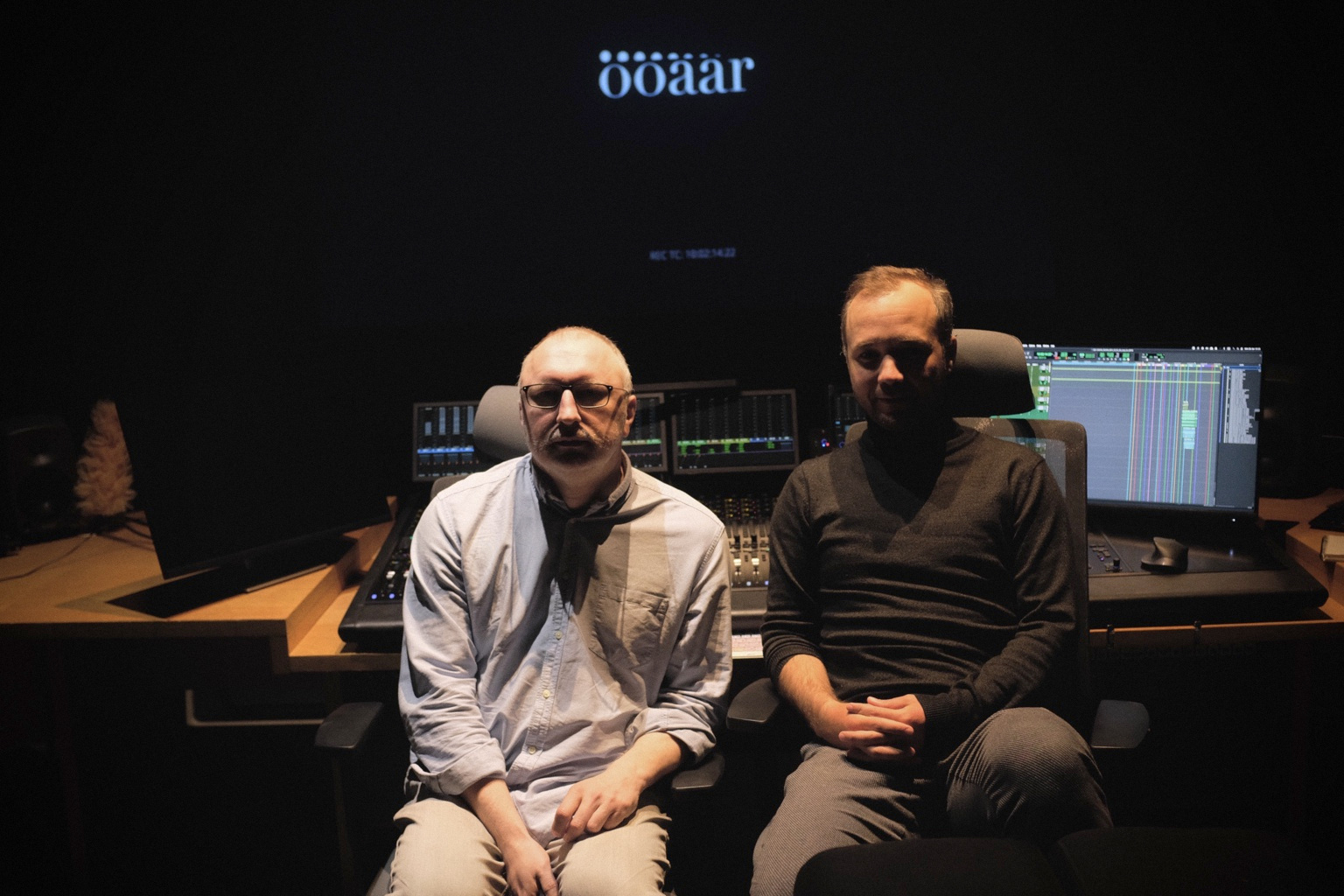
What I also see is that Vladimir has begun to think in sound himself. He leaves space for it. He suggests sonic ideas that resonate deeply with the film – and often with my own instincts. It’s a sign of real harmony: we’ve developed a shared language, and now we co-create the sonic layer of the film.
I love it when viewers mention a scene’s sound – and I know that the idea actually came from the director. It shows how deeply we collaborate.
04
On Presence During Shooting
Although I primarily work in sound post-production, there are rare and intentional moments when I join a documentary shoot as a location sound recordist – almost exclusively for films I’ll later be designing and mixing.
This isn’t out of habit, but out of necessity. Production sound on most shoots understandably prioritizes dialogue and the immediate needs of the scene. But in films where dialogue is minimal or absent, I’m also interested in ambient textures, acoustic details and less obvious sounds that may become important later in post.
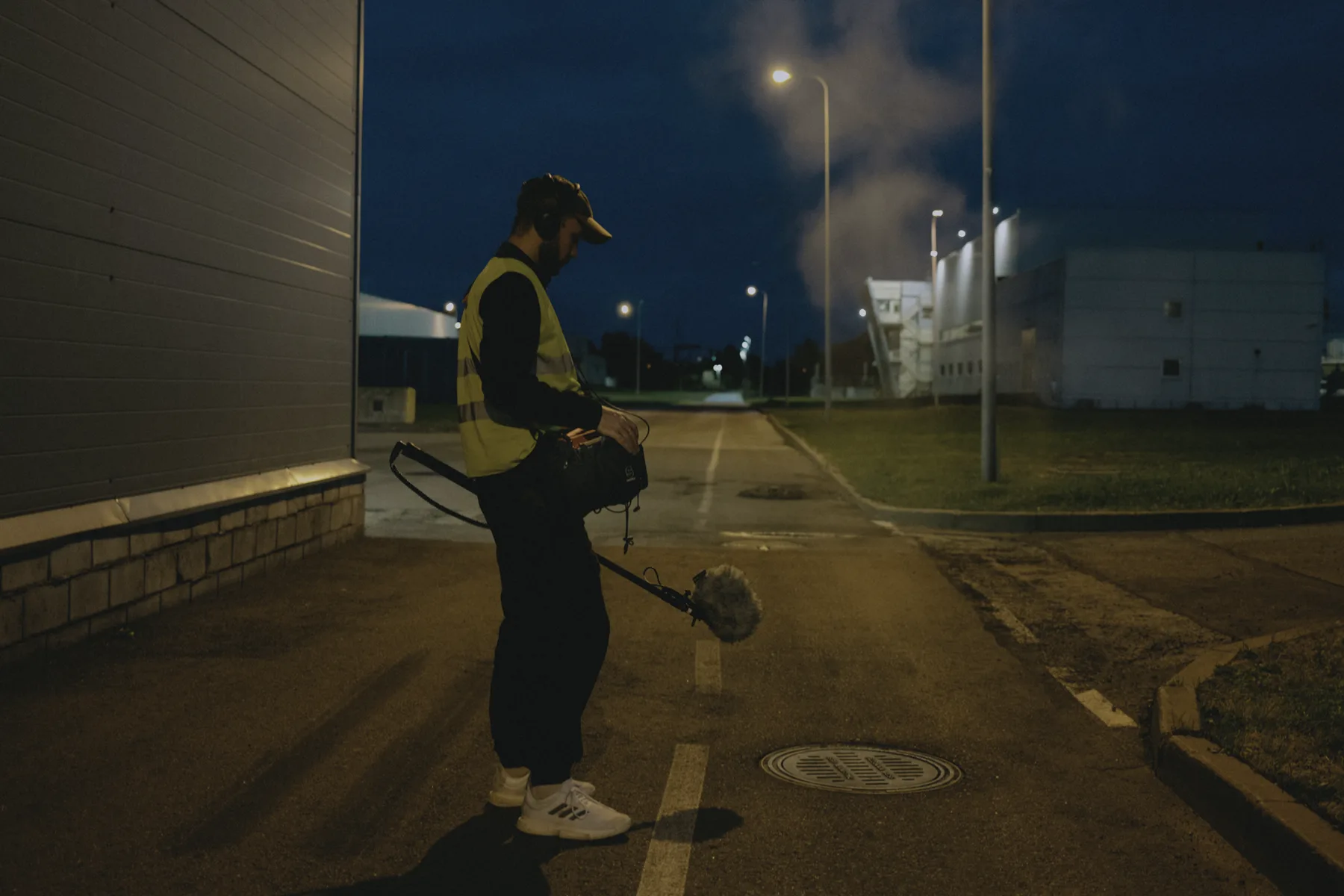
But when I’m on set, I don’t just record – I listen like a sound designer. I absorb the atmosphere, the emotional temperature, the acoustics. I capture not only what’s visible, but also what will be needed in post.
Sometimes, what I record has nothing to do with the camera’s frame. I might hear something far more emotionally potent than what’s being shot. So I follow that – and later, it becomes the heart of a scene’s soundscape.
In one example, I saw the cinematographer dive into a wild concert crowd with a handheld camera, chasing chaotic, spinning shots. I immediately began rotating with my stereo mic, creating a sonic vortex that matched the camera’s disorientation – a completely improvised choice that became one of the most memorable moments in the film’s sound.
Watch and listen to this scene →This hybrid role – being present as both a designer and a recordist – allows me to feel the film from the inside and to record in advance what the film will later need. It’s difficult to delegate that entirely – not because another recordist lacks the skills, but because they wouldn't necessarily be imagining the finished film in the same way as they record.
05
On Recording Technique
In our most recent film, for the first time, I recorded sound from the very first to the last day of production. I used Schoeps Mid-Side (MS) stereo microphones (in particular, CCM41/CCM8) throughout – a technique I’ve long used for effects, but never for a full film shoot. Unlike the usual mono “boom” mic most films rely on, MS recording allowed me to capture a detailed stereo image of each environment and sound source.
This approach gave me maximum flexibility in post. I could fold certain elements to mono when necessary – for example, when the sound source is centered in the frame. But I could also create immersive spatial fields for wide shots or moving mechanical environments, giving the scene a cinematic scale and energy. A spinning stereo mic in a punk club, for example, creates a swirling sensation no mono mic could replicate.
Having MS recordings also allowed me to later layer backgrounds from the same location, keeping the acoustic fingerprint intact. No external library sounds. Just a vast, authentic sound library created during the actual shoot.
06
On Style
If I had to summarize my approach: I don’t illustrate. I experience.
I create immersive, atmospheric soundscapes that allow the viewer not just to understand what’s happening – but to feel how it’s happening: in what emotional state and physical space.
My sound work often comes closer to sonic art than conventional post-production. Every film I work on becomes a personal process of discovery – of searching, trying, listening and finding unexpected solutions that speak where words can’t.
Film
Ööäär — Edge of the Night
Estonia · 2025 · Documentary · 92 min